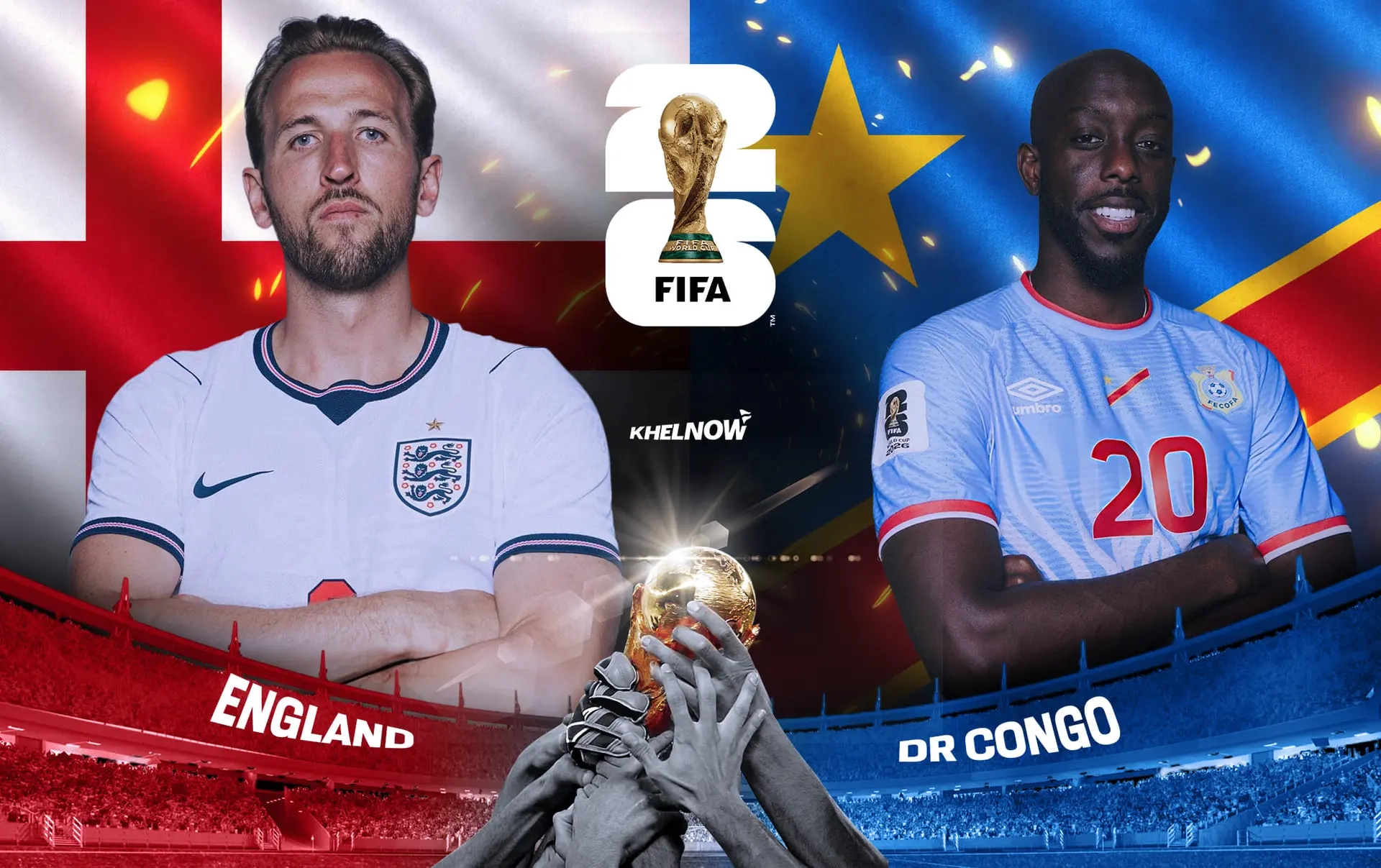
England enter the World Cup last-32 with momentum from their group stage but with a growing list of headaches for manager Thomas Tuchel. As the Three Lions prepare to face DR Congo in Atlanta, questions around right-back selection, Bukayo Saka’s fitness, Jordan Pickford’s form and how to crack a stubborn low block are dominating the build-up.
Here is a full breakdown of the key talking points ahead of Tuchel’s first knockout game as England boss.
1. The Right-Back Crisis: Who Starts Against DR Congo?
England’s right-back position has turned into one of the tournament’s most unexpected problems. Reece James was the first to go, picking up a hamstring injury during the draw with Ghana. His replacement, Jarell Quansah, then suffered a badly-twisted ankle in the Panama game, ruling him out as well.
Add to that the earlier loss of Tino Livramento ruled out with a calf injury even before the tournament kicked off and Tuchel is now working with an extremely thin pool of options:
- Djed Spence – the most likely starter, having featured across all three group games
- Trevoh Chalobah – called up after the Livramento injury but yet to play a single minute
- Ezri Konsa – a centre-back who could be used as an emergency option
Gary Neville believes Spence was deliberately rested to be ready for the knockouts, calling the situation “very thin on the ground.” With Chalobah lacking game time and Konsa needed in central defence, Spence is expected to start and will need to deliver.
2. Harry Kane’s Role Against a Deep-Sitting DR Congo
One of the key pillars of Tuchel’s tactical plan is allowing Harry Kane the freedom to drop deep, using his elite passing range to pick apart opposition defences while runners burst beyond him. It has worked against sides willing to leave space in behind.
Against Panama a team that defended in a compact, deep block Kane was shifted into a more conventional striker role, heading home a cross from close range. It was a reminder that he can be a pure penalty box finisher when the game demands it.
DR Congo have consistently recorded some of the lowest possession numbers at this World Cup, meaning they are unlikely to leave space in behind for England’s wide players to exploit. Against this kind of opposition, Kane’s passing may have to take a backseat. England will need his goal threat inside the box.
3. Bellingham’s Evolving Role With Rice Back in Midfield
Jude Bellingham was England’s standout performer in the 2–0 win over Panama, scoring one and setting up the other. With Declan Rice sitting out through a calf injury, Bellingham operated in a deeper, more central role — and thrived in it, racking up more touches and more involvements in the opposition box than in either of the previous two group games.
Rice’s return for the DR Congo clash now raises an interesting tactical question. The midfield picture is more nuanced than a straightforward Rice-alongside-Anderson setup; Rice has frequently been deployed slightly ahead of Elliot Anderson in the left channel the same space Bellingham occupied against Panama.
How Tuchel reorganises the midfield without losing what made England tick against Panama will be one of the most fascinating elements of Wednesday’s team selection.
4. Saka and Rashford to Start on the Wings
Tuchel made a double change on the wings for the Panama game, bringing in Bukayo Saka and Marcus Rashford in place of Noni Madueke and Anthony Gordon and both are expected to keep their spots against DR Congo.
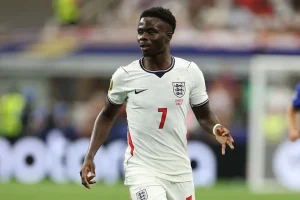
Rashford was inconsistent against Panama, registering five shots but only one on target and failing to complete any of his six attempted crosses. Despite that, he offered far more attacking threat than Gordon had. Saka, meanwhile, has been carefully managed through the group stages due to an Achilles problem but appears to be closing in on full fitness just as the tournament reaches its critical phase.
The numbers back the decision to stick with this pairing. Saka and Rashford have averaged more than double the shots per 90 minutes compared to Madueke and Gordon at this tournament, with significantly higher touch and pass involvement as well. Their set-piece delivery particularly Saka’s could also prove vital against a deep-sitting defence.
5. Is Jordan Pickford’s Place Under Threat?
Jordan Pickford retains his position as England’s first-choice goalkeeper and rightly so given what he has delivered across three major tournaments. However, the performances so far in this World Cup have raised eyebrows.
A shaky showing against Croatia saw England concede twice. Against Ghana, a reckless challenge outside his area where he missed the ball entirely and took the player down with him could have directly cost England the game had the officials ruled differently.
His underlying numbers make for uncomfortable reading too. Pickford currently ranks 39th among all tournament goalkeepers in the goals prevented metric, sitting at -1.39, meaning he has conceded more than expected based on the quality of shots he has faced.
England need Pickford to rediscover the reliability and authority that made him one of the best international goalkeepers of his generation. The knockouts are no place for uncertainty between the sticks.
6. Fitness Concerns Heading Into the Knockouts
The right-back injury situation is the most acute problem, but it is not the only fitness concern in the England camp.
- Bukayo Saka – managed carefully through the group stage due to an Achilles issue. Tuchel insists he is “not a problem,” but Gary Neville has been more cautious, saying Saka “doesn’t look right at all” and lacks his usual energy and sharpness.
- Elliot Anderson – started against Panama and played 84 minutes despite reported muscle tightness.
- Declan Rice – returns after sitting out the Panama game with a calf complaint. Having not played for eight days by the time of the DR Congo match, he will need to hit the ground running.
None of the concerns appear likely to force major changes to the starting lineup, but England cannot afford for any of these issues to escalate during a knockout match.
7. How Can England Break DR Congo’s Low Block?
This is perhaps the most important tactical question of the match. According to FIFA data, DR Congo have spent more than half of their out-of-possession time sitting in a low-to-mid block retreating deep, protecting central areas and inviting opponents to try to find a way through.
England have yet to score against a deep defensive setup at this World Cup but the data suggests it is not a volume problem. Their shot rate against low blocks is comparable to that of France and Senegal, both of whom have scored twice in such situations. The issue lies in the quality, location and directness of those chances.
France and Senegal have been most effective against deep defences by combining high shot volume with pace, directness and individual quality in one-on-one situations. They have not simply recycled possession in front of the defence they have created danger with direct runs and quick transitions.
For England, the solution likely involves:
- Quicker movement of the ball in the final third to prevent DR Congo from resetting their shape
- Greater use of Kane as a target inside the box rather than a deep-lying creator
- Saka and Rashford taking on defenders directly in one-vs-one situations
- Set pieces where Saka’s delivery could be a genuine match-winning weapon
England are creating opportunities. The next step is creating better ones.
England vs DR Congo: What to Expect
This should be a match England control for large periods, but the challenge of breaking down a disciplined, low-block side in a high-stakes knockout game should not be underestimated. The margins are fine, the fitness situation requires careful management and several key individuals need to raise their performance levels.
If England can stay patient, move the ball with purpose and trust Saka and Rashford in one-on-one situations, the quality gap between the two sides should eventually tell. But the pressure of a World Cup last-32 tie has a way of complicating even the most straightforward-looking matchups.