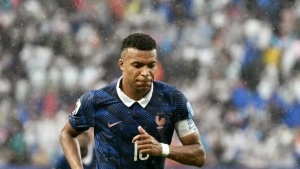

The build-up framed it as a one-sided affair – Norway’s star-studded attack against an Iraq side expected to defend for their lives. The final 1-1 scoreline looked tight, but the deeper story was Iraq’s surprisingly potent display: Jesus Casas’ team did not merely soak up pressure, they carried a genuine, menacing attacking threat across the full ninety minutes. They carved out the game’s best chances and were ultimately denied a famous result only by a lack of clinical finishing.
Norway vs Iraq: goals and timeline
| Min | Scorer | Team | Score |
| 58′ | Erling Haaland | Norway | 1-0 |
| 71′ | Aymen Hussein | Iraq | 1-1 |
First half: compact defending meets razor-sharp transitions
From the opening whistle, Iraq executed their plan with precision. Rather than retreating into a passive, deep low block, Casas set them up in a compact, energetic 4-5-1 mid block. The aim was to strangle the central supply lines where Norway captain Martin Ødegaard thrives, denying him the chance to turn and face the back line.
Iraq’s central midfielders worked tirelessly to cut out passes into the half-spaces, choking the middle of the pitch and forcing Norway into slow, sideways circulation. What truly caught the Norwegians off guard, though, was Iraq’s threat the moment possession turned over. Far from simply clearing their lines, the Iraqi midfield looked to slice open Norway’s high defensive line with immediate forward passes.
Built around the intelligent hold-up play of Aymen Hussein, Iraq repeatedly established a platform in the final third, with their wide midfielders exploiting the spaces left by Norway’s adventurous full-backs. That produced three clear chances inside the first half-hour alone: a slick move down the right unlocked the box but the finish dragged wide, and minutes later a defensive lapse left an Iraqi winger one-on-one, only for the hurried effort to clear the bar. Norway held 62% of possession, but it was Iraq generating the sharper, clearer openings – level at the break purely because of their wastefulness in front of goal.
Second half: Solbakken’s adjustment and Haaland’s strike
Norway returned with a clear tactical tweak. Recognising his side had slipped into a predictable rhythm, Ståle Solbakken demanded more urgency, pushing the full-backs extremely high and wide to stretch the Iraqi block.
The breakthrough came in the 58th minute. Dictating from deep, Ødegaard clipped a brilliant line-breaking diagonal over the Iraqi midfield. Nusa made an inverted run from the left, collected in the box and slipped a disguised pass into the path of Erling Haaland. The striker used his strength to hold off his marker, turned sharply and fired a ruthless low effort across the goalkeeper into the bottom corner.
Going behind would deflate most underdogs; it galvanised Iraq. Casas grew bolder, switching to a proactive 4-4-2 and pushing a second striker alongside Hussein. Instead of relying solely on isolated counters, Iraq began sustaining possession in Norway’s half, repeatedly opening the European side up through fluid short-passing combinations around the box.
The counter punch: a deserved leveller after a string of misses
The switch paid off in the 71st minute – though it was preceded by two more agonising misses. First, a well-worked overload on the left ended with a cutback blasted straight at a recovering defender; moments later, a free header from a corner flashed inches wide. Iraq’s knack for manufacturing big chances kept the Norwegian defence in a constant state of alarm.
The deserved goal finally came when Iraq pressed Norway’s midfield aggressively and forced an uncharacteristic turnover in the middle third. Seizing the transition, Iraq’s wide playmaker drove down the right and floated a ball to the back post, where Hussein read the flight perfectly, rose above the defence and powered a majestic header past the scrambling goalkeeper.
The final squeeze: a frantic finish
The closing fifteen minutes turned frantic. Norway threw everything forward, introducing fresh wide players to maintain an aerial bombardment of the Iraqi box, and Haaland rattled the crossbar with a fierce volley. Yet Iraq stayed dangerous on the break: as Norway committed numbers, Iraq broke three-on-two in stoppage time, but a slightly overhit final pass forced the attacker wide and the shot found only the side netting – a fitting last entry on a long list of missed opportunities that could have delivered a historic win.
Strategic takeaways
Norway showed elite individual brilliance and a much-improved second half, but their first-half predictability and clear vulnerability to transitions remain genuine concerns. For Iraq, the result is bittersweet: they proved their structural discipline and transitional patterns can fully match a team packed with world-class talent, consistently carving out the game’s best chances. If Casas can sharpen his side’s clinical edge in the box, this Iraqi team has every tactical tool needed to become a formidable force on the global stage.
Frequently asked questions
What was the score in Norway vs Iraq?
The match finished 1-1. Erling Haaland put Norway ahead in the 58th minute and Aymen Hussein equalised for Iraq in the 71st.
Why did Iraq fail to win despite creating more chances?
Iraq generated the clearer, higher-quality openings but lacked composure in front of goal, missing several big chances that could have secured a famous victory.
How did Iraq set up tactically against Norway?
Jesus Casas began with a compact, energetic 4-5-1 mid block to cut off Martin Ødegaard, then switched to a bolder 4-4-2 in the second half to chase the equaliser – a change that worked.
Who scored for Norway against Iraq?
Erling Haaland scored Norway’s goal, finishing low across the goalkeeper after a line-breaking diagonal from Martin Ødegaard and an assist from Nusa.