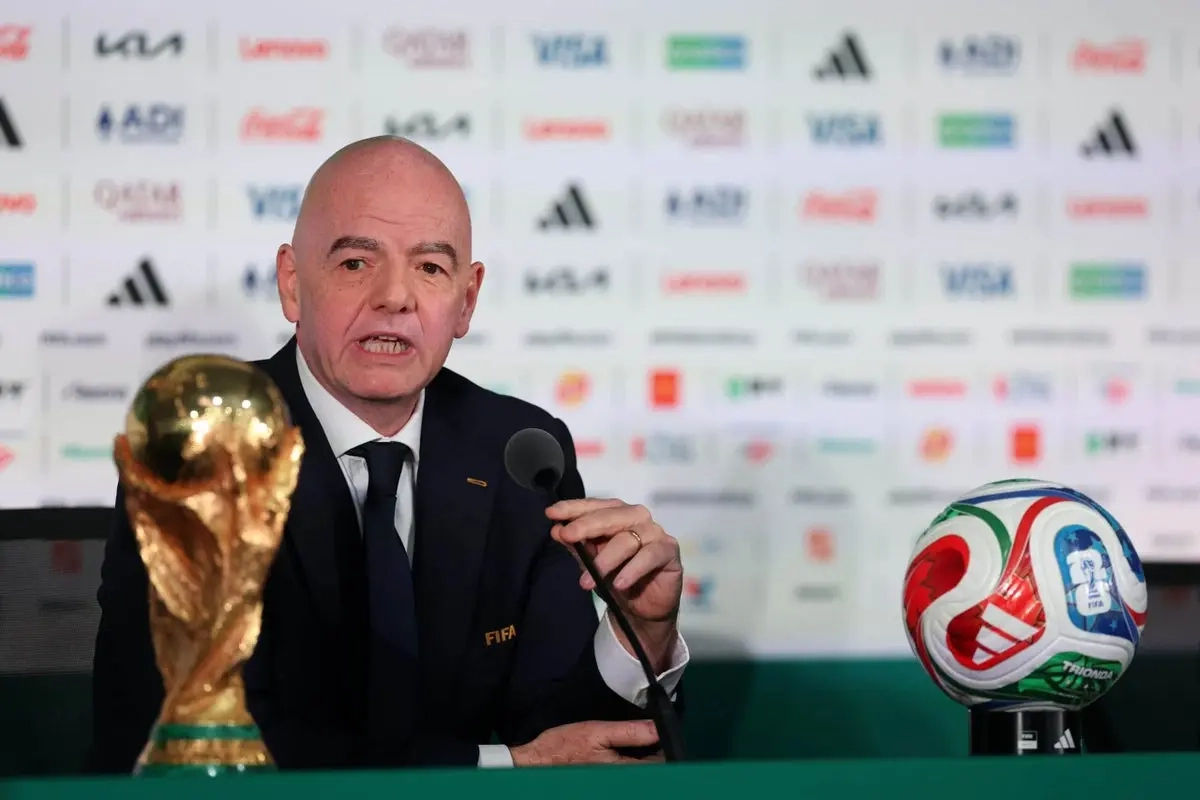
European football’s governing body has escalated its standoff with FIFA president Gianni Infantino, confirming it will boycott FIFA tournaments entirely if his proposal to sell a private stake in the World Cup goes ahead. The decision, taken unanimously by all 55 UEFA member associations at an emergency meeting, marks the first time a confederation has taken such a stance against a FIFA competition.
What UEFA Has Decided
UEFA’s statement rejected outright any transfer of ownership interests in the World Cup or other FIFA competitions to private investors, describing the tournament as one of football’s greatest sporting legacies built over generations by players, national teams and supporters worldwide and insisting no part of it should ever be handed to outside investors. The body was blunt in summarising its position: “The World Cup is not for sale.”
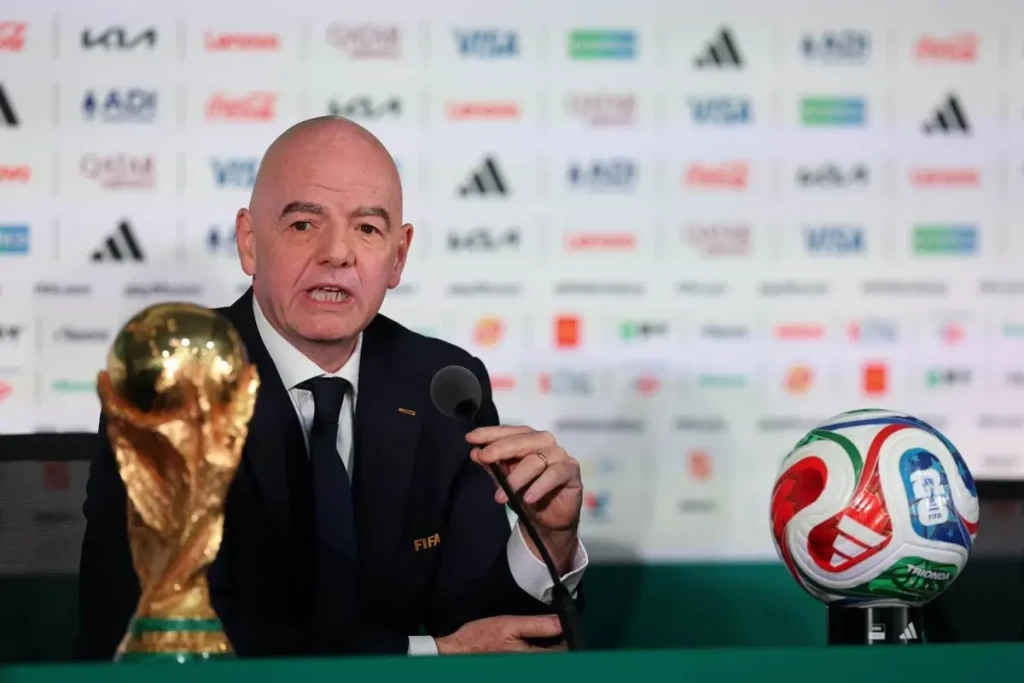
UEFA also criticised the process behind the proposal, arguing it was developed without meaningful consultation with those responsible for safeguarding the sport, and warned that allowing private investors a stake would permanently shift football’s decision-making toward commercial returns rather than the wider interests of the game. As a result, no UEFA national teams will take part in any FIFA competition for as long as the proposal remains active, unless it is fully withdrawn and FIFA gives binding guarantees it will never again open its competitions to private ownership.
CONCACAF Also Pushes Back
UEFA wasn’t alone in its criticism. CONCACAF convened its own meeting of 41 member associations and issued a statement expressing serious concern over the proposal’s lack of review or approval through FIFA’s own governance structures. The North and Central American body outlined a series of action points in response but stopped short of threatening a boycott, leaving UEFA as the only confederation to take that step so far.
Political and Institutional Reaction in the UK
The Football Association, whose chair Debbie Hewitt also serves as a FIFA vice president, backed UEFA’s collective stance, saying the World Cup belongs to football and always will. The Scottish FA echoed similar concerns about the lack of proper consultation and governance around how the proposals were introduced, while the Premier League a founding member of the European Leagues body confirmed its full support for UEFA’s position.
Prime Minister Andy Burnham weighed in directly, arguing that “football belongs to the fans” rather than billionaire investors. Culture Secretary Lisa Nandy went further, calling UEFA’s boycott decision a principled stand that the government strongly supports, and framing it as a moment to draw a line in defence of the game.
What FIFA Is Actually Proposing
The dispute stems from FIFA’s plan to launch what it’s calling FIFA Forward Enterprise a new structure combining the sale of FIFA’s commercial rights (broadcasting, sponsorship, ticketing and licensing) with the operational running of its tournaments. Under the plan, FIFA would sell minority, non-controlling stakes in the entity to external investors, aiming to raise up to $4.2 billion (£3.1bn) based on a valuation of around $20 billion (£15bn). FIFA argues the move could generate more than $10 billion in football development funding over the next four years, and says the plan still requires approval from its member associations before going ahead.
Where Things Go From Here
The first real test of UEFA’s boycott stance for senior national teams comes in October, with England, Scotland, Wales, Northern Ireland and the Republic of Ireland all scheduled to compete in 2027 Women’s World Cup qualifying play-offs. England boss Sarina Wiegman and her staff are continuing preparations for their tie against Greece as normal for now, while European nations including England, France, Italy, Portugal, Poland and Spain are also due to compete at the Women’s Under-20 World Cup in Poland from 5–27 September timing that puts several federations in an awkward position if the standoff isn’t resolved beforehand.
Sky Sports News’ Kaveh Solhekol has suggested the scale of opposition makes it unlikely the plan will ultimately succeed, drawing a comparison to the swift collapse of the European Super League project after a similar wave of backlash. He also noted FIFA has set member associations a deadline of 19 September to accept the proposal, with an offered development fund reportedly dropping from roughly £7.5 billion to £2 billion should the plan be rejected a financial incentive that could yet complicate how unified the opposition ultimately remains.
Quick Facts: UEFA vs FIFA
- UEFA vote: 55-0 in favour of a boycott if the plan proceeds
- FIFA’s proposed raise: Up to $4.2bn (£3.1bn) via minority stakes
- FFE valuation estimate: ~$20bn (£15bn)
- Claimed development funding: $10bn+ over four years
- FIFA’s deadline for member associations: 19 September 2026
- First affected fixtures: 2027 Women’s World Cup qualifying play-offs (October) and Women’s U20 World Cup (Poland, Sept 2026)